

Easter Schedule 2026
The full schedule of liturgies for Holy Week and the Sacred Triduum, from Palm Sunday to the Easter Vigil.
Read moreA community of priests and brothers in formation, drawn together from across Australia in the spirit of Saint Philip Neri.
The Brisbane Oratory in Formation is a community of priests and brothers from across Australia, drawn together to live a common life of prayer, worship and apostolic charity in the heart of the Archdiocese of Brisbane.
Inspired by the example of Saint Philip Neri, the sixteenth-century apostle of Rome, we serve the parishes of Annerley, Ekibin and Tarragindi through the celebration of the sacred liturgy, the preaching of the Gospel, and the formation of disciples in every age and walk of life.
Cor ad cor loquitur. Heart speaks unto heart.

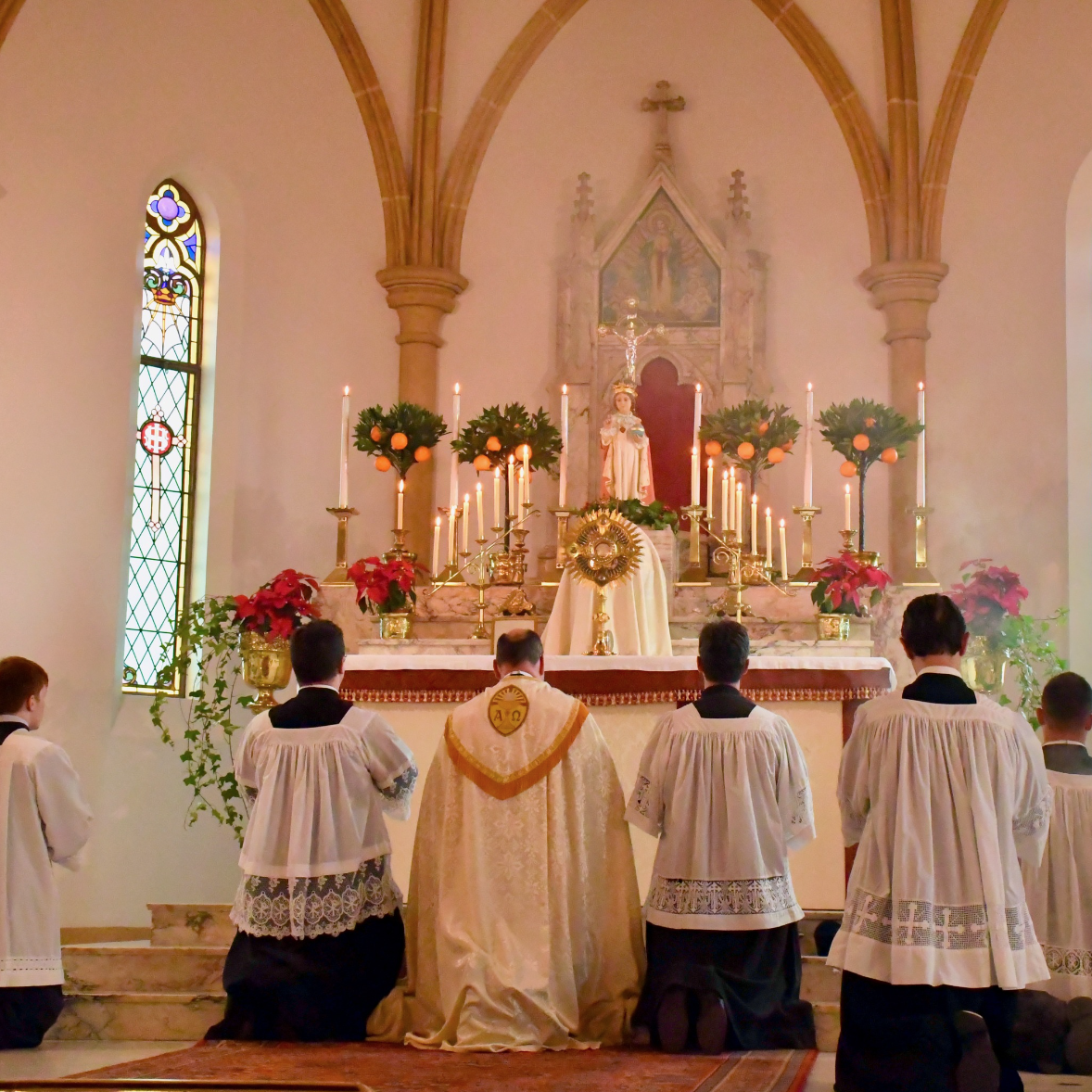
The seed of the first Australian Congregation of the Oratory of Saint Philip Neri was sown in mid-2011, after a season of prayer before the altar of Saint Philip at the Chiesa Nuova in Rome. By the providence of God it has begun to bear fruit; much development still lies ahead, but a real beginning has been made.
The community is composed of priests and brothers drawn from across Australia, gathered in Brisbane under the patronage of Our Lady, Saint Philip Neri, Saint John Henry Newman and Blessed Pier Giorgio Frassati. The Archdiocese of Brisbane has become the community's home, or domus, with a permanent place of common life as integral to the Oratorian vocation. We are deeply grateful to Archbishop Mark Coleridge for warmly welcoming, supporting and encouraging us, and for entrusting the Annerley Ekibin Parish to our care for the present.
As an Oratory in formation, we are progressing toward the canonical erection of an established Oratory. During this time our seminarians are sent overseas to study at other Oratories, and the community is guided by Fr Uwe Michael Lang of the London Oratory, appointed by the Procurator General of the Confederation. As the project matures we look forward to developing the apostolates common to Oratorian life — particularly faith and prayer formation for the laity.
The Fathers and Brothers thank the many lay faithful who have already shown extraordinary generosity in fervent prayer and financial support. We invite you to join them in praying for this new initiative for the Church in Brisbane and Australia.
The Congregation of the Oratory of Saint Philip Neri is a society of apostolic life, founded under the guidance of the Confederation of the Oratory in Rome and with the permission of the local Ordinary. The definitive foundation of an Oratorian Congregation is made directly by the Roman Pontiff, which gives a Congregation what is called Pontifical Right.
An Oratory offers a priest a more structured community life than that of a diocesan priest, but with greater flexibility than a religious order. Above all, it is a community of charity in the spirit of Saint Philip Neri — the Joyful Saint.
We are not our own, any more than what we possess is our own. We did not make ourselves; we cannot be supreme over ourselves. We are God's property by creation, by redemption, by regeneration. Is not our happiness thus to view the matter?Saint John Henry Newman, Parochial and Plain Sermons
An Oratorian resides in a single community of his choosing and is permanently stable; he is not subject to transfer. He does not take the vows of poverty, chastity or obedience, though he seeks these perfections through voluntary observance. The structure allows greater flexibility in pastoral work than a religious order while permitting the priest to remain in one community for life.
The first Oratory was founded by Saint Philip Neri in sixteenth-century Rome as an institute in which the bond between members is one of voluntary charity rather than a formal canonical vow. Its ideal is community life and priestly service lived in a spirit of prayer, with obedience offered out of fraternal love.
The Oratory community lives out its mission in fraternal charity at its place of residence, known as the pious house. Operating like a family, the members support one another in service to the Church. They typically pray together daily — half an hour of mental prayer, a litany, prayers for the community's intentions and the seasonal antiphon to Our Lady — and share meals and recreation in common.
Since 1994 the Confederation of Oratories, based in Rome, has provided a central point of contact with the Holy See and oversees new houses seeking to become independent Congregations.
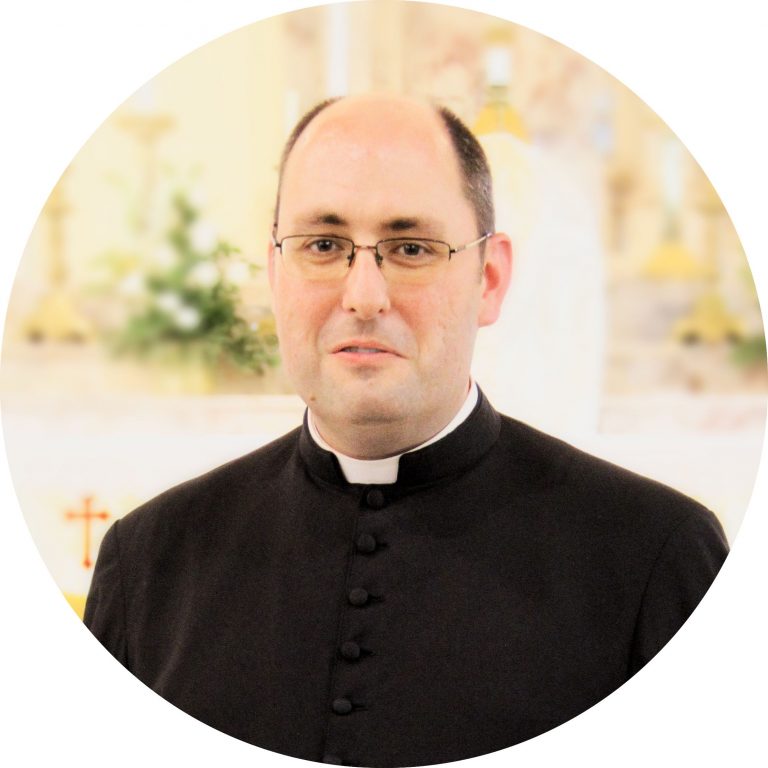
Born in Brisbane in 1975, Fr Adrian entered Pius XII Provincial Seminary at Banyo in 1993, was ordained deacon in December 1999 and priest in September 2000. He served as Associate Pastor in Burleigh Heads, the Cathedral, Noosa District, Acacia Ridge and Sunnybank, and as Parish Priest of Coomera from 2008. He undertook canon law studies at Saint Paul University, Ottawa, then served as Associate Judicial Vicar in the Regional Tribunal. He joined the Brisbane Oratory in Formation in October 2013, became Parish Priest of Annerley Ekibin in 2014 and Moderator of the Oratory in May 2016. From 2019 he serves as Judicial Vicar of the Regional Tribunal.
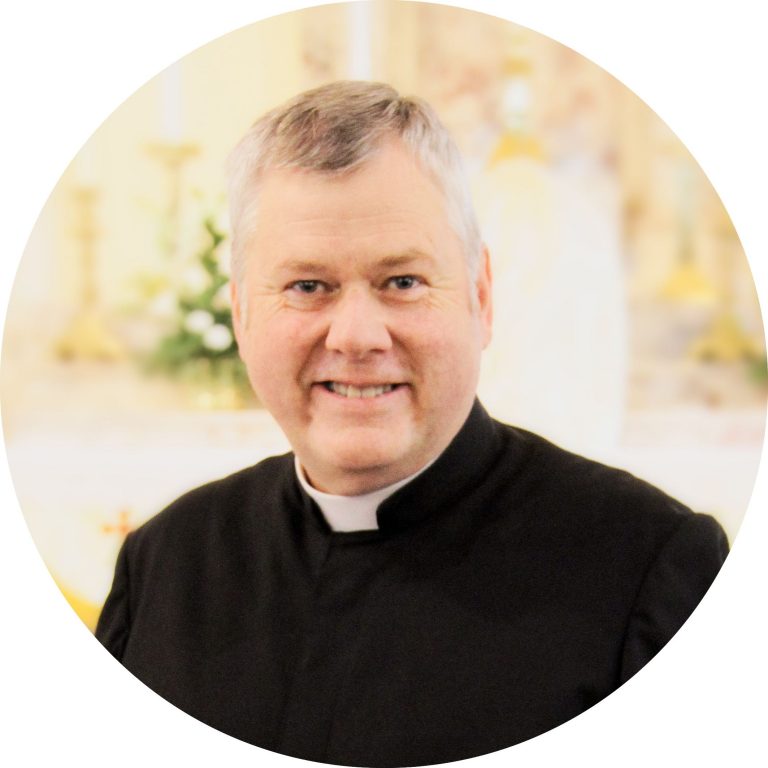
Ordained priest at Saint Mary's Cathedral, Sale (Victoria) on 5 September 1987, Fr Andrew has gained wide pastoral experience as Assistant and Parish Priest in country and outer-suburban parishes, and served as Dean of Saint Mary's Cathedral from 2011 to 2015. He has served as Reserve RAAF chaplain, on the boards of CatholicCare and the Catholic Development Fund, and as treasurer of the Australian Confraternity of Catholic Clergy. He holds an MA in Christian Spirituality and a Graduate Certificate in spiritual direction from Creighton Jesuit University. After a season of prayer at the altar of Saint Philip in Rome in 2010, the seed of the first Australian Oratorian Congregation was sown.
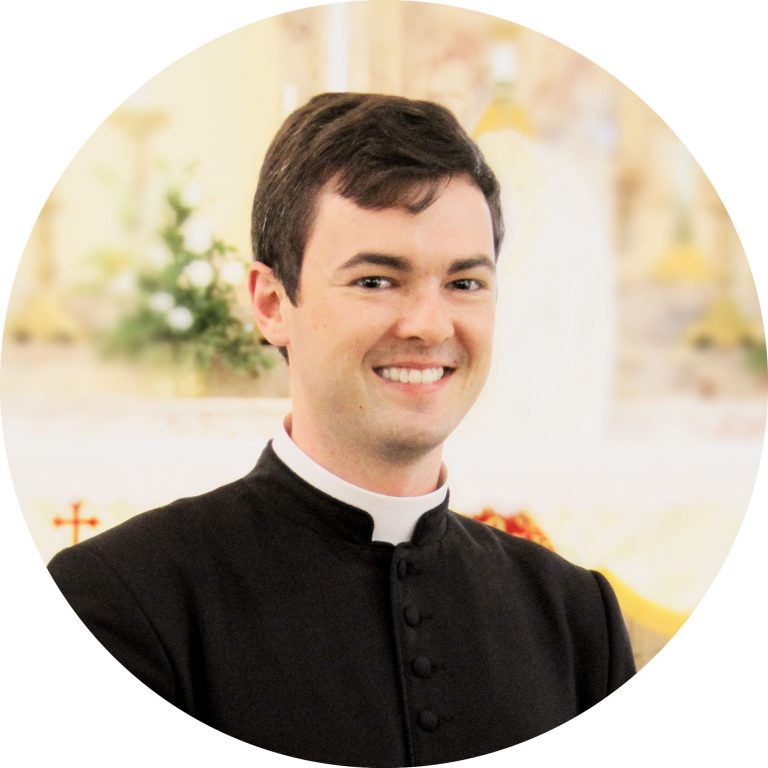
Br Tyson joined the Brisbane Oratory in Formation in 2014. As soon as he heard of the Oratory he felt a strong connection to its charism — helping others come to know Jesus Christ in a spirit of holy joy and fraternal charity, with particular attention to beauty and reverence in the sacred liturgy.
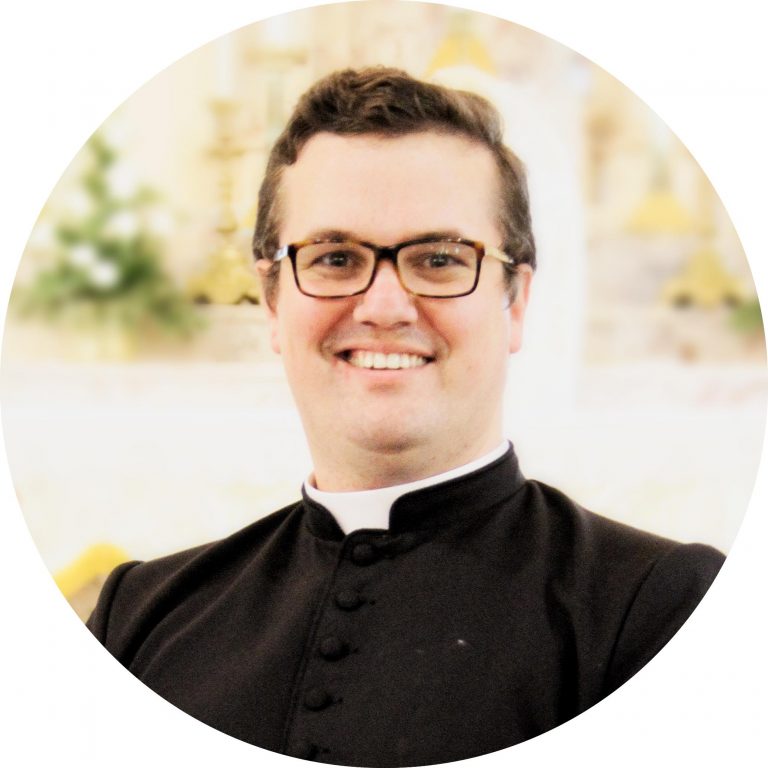
Born in Brisbane in 1983, Fr Conor grew up at Spring Hill (Villa Maria parish) and was educated at Saint Joseph's College, Gregory Terrace. He was a member of the inaugural graduating class of Campion College Australia, and later worked at the University of Notre Dame's School of Philosophy and Theology. He spent 2014 as a novice with the Order of Preachers (Dominicans), then learnt of the Brisbane Oratory in Formation and was clothed in the Oratorian habit on 6 September 2015.
A member of the community in formation.
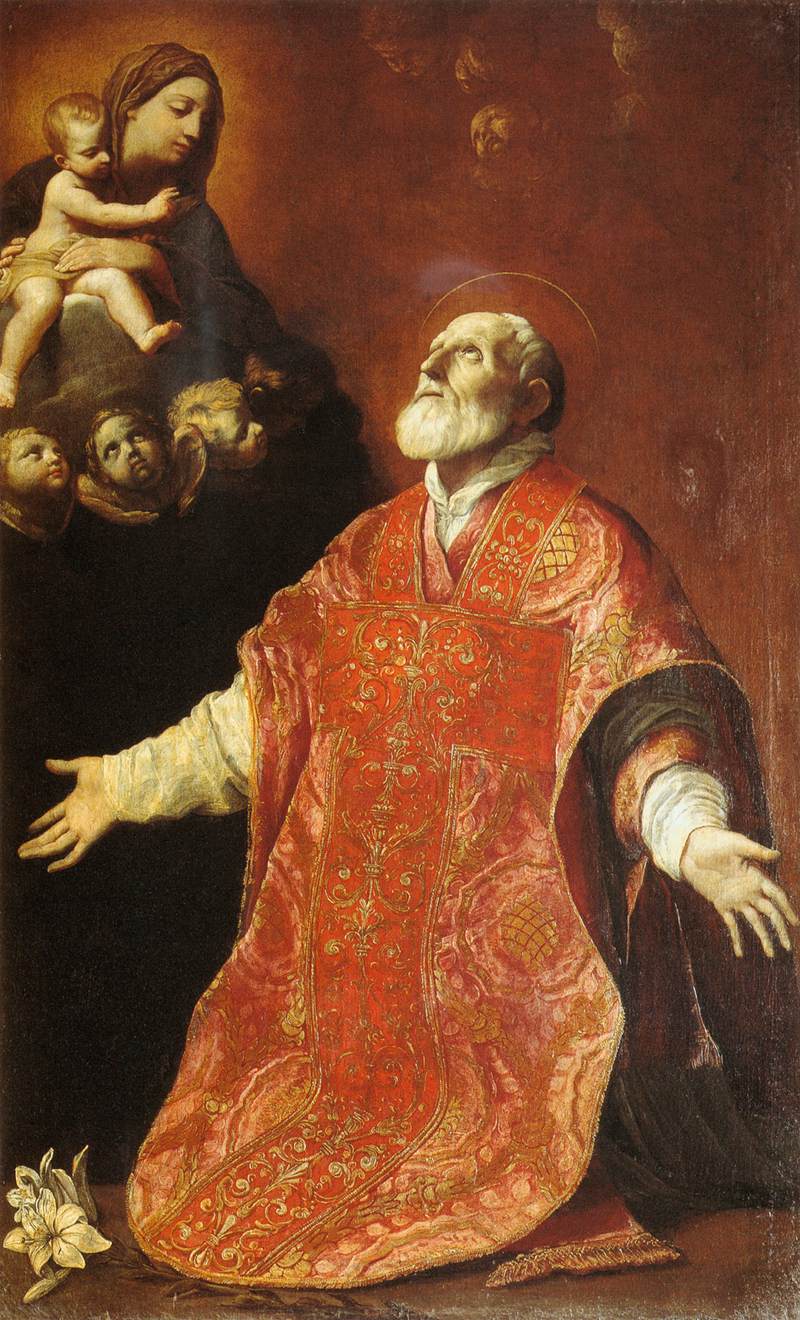
Born in Florence and educated by the Dominicans, Saint Philip went to Rome in his late teens and lived as a layman for about twenty years, attending lectures in theology and praying in the catacombs. On the feast of Pentecost in 1544 the Holy Spirit descended upon him as a ball of fire and lodged in his heart. Ordained at thirty-six, he held informal discourses on the things of God in a small chapel built for the purpose; this chapel — an oratory — gave its name to the community that gathered around him. Canonised in 1622.

Born in Goa of devout Catholic parents, Saint Joseph was ordained at twenty-five and helped found an Oratory of Saint Philip Neri among Indian priests. Filled with zeal for the Catholics of Ceylon (modern Sri Lanka), then under Calvinist Dutch rule, he ministered there in disguise. Sheltered eventually under the protection of the Buddhist King of Kandy after praying down rain in a great drought, he won over a hundred thousand souls and built many churches. Beatified in Sri Lanka by Pope John Paul II in 1995 and canonised there by Pope Francis on 14 January 2015.
Ordained in 1827 at Udine in northern Italy, Saint Luigi joined the Udine Oratory in 1846, where he opened a school and home for deaf-mute girls and gave away his possessions to support them. After the Italian Army suppressed the Udine Oratory in 1866 he continued to live as a faithful son of Saint Philip and devoted himself to the Sisters of Providence, an order he had helped to found. His motto was "work, suffer, and be silent." A 1996 miracle in Zambia led to his canonisation in 2001.

Born to an ordinary Anglican family, Newman entered Trinity College Oxford at sixteen, was elected a Fellow of Oriel and served as Vicar of Saint Mary's for fifteen years. Through reading the Early Church Fathers he came to recognise the Roman Catholic Church as the Church founded by Christ, and was received on 8 October 1845 by Blessed Dominic Barberi. Sent to Rome to complete his studies, he encountered the Oratory of Saint Philip Neri and resolved to bring it to England. As an Oratorian he wrote, taught and preached. Pope Leo XIII created him a Cardinal, allowing him to remain at the Birmingham Oratory. Canonised in 2019.
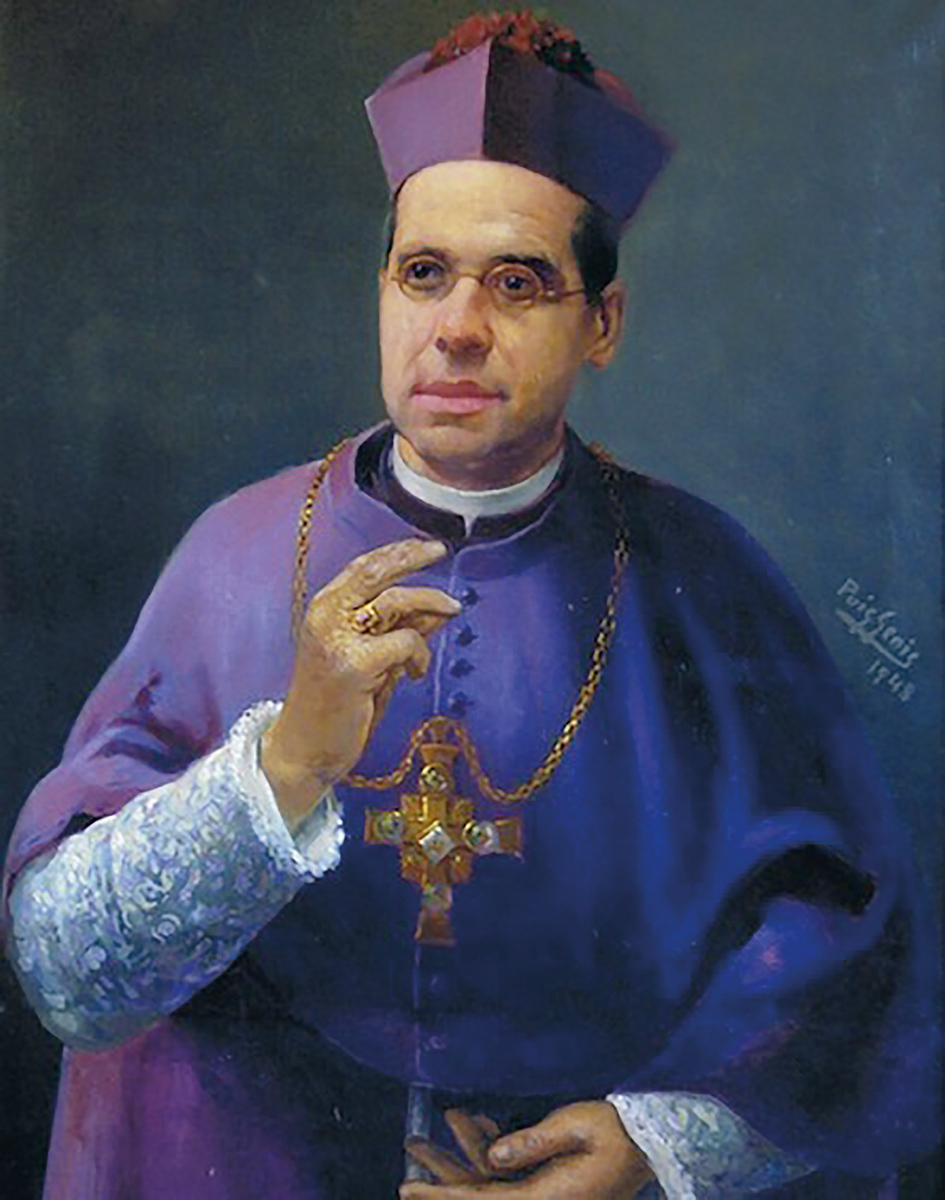
The first Oratorian to receive the crown of martyrdom, Blessed Salvio entered the Vic Oratory in Spain in 1907 and rose to become its Provost. Made Bishop of Lerida in 1927, he publicly resisted the anti-Catholic Spanish republican regime. Imprisoned in 1936, he heard the confessions of his fellow prisoners and led them in the Creed before they were taken to the cemetery to be shot. Wounded in the right arm by a militiaman as he tried to bless each man going to the firing line, he continued to bless them with his left hand, and was finally martyred himself. Beatified in 2013.
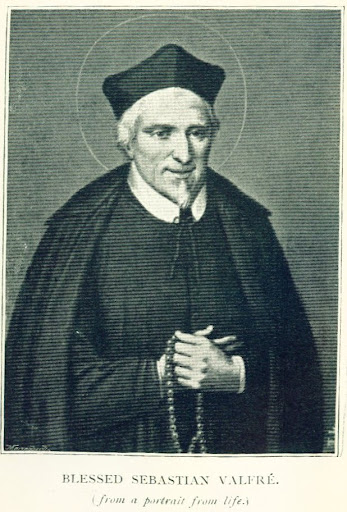
Born to a poor farming family, Blessed Sebastian supported himself through his studies by copying books late into the night. He joined the Turin Oratory in 1651 and helped revive a Congregation that had nearly died out. He devoted himself to the confessional, to teaching catechism, and to the poor, sick and imprisoned. Outwardly serene and known for his joy, he interiorly bore great spiritual dryness and fear, and taught that suffering well is the beginning of overcoming oneself.


The Brisbane Oratory is placed first under the patronage of Our Lady, Help of Christians, giving her the prominence and pre-eminence she rightly holds in the Church. Her intercession is unrivalled and her protection sure; as a community of priests we place ourselves under the maternal mantle of the Mother of Priests so that we may do whatever her Son tells us.
The faithful must in the first place reverence the memory of "the glorious ever Virgin Mary, Mother of our God and Lord Jesus Christ."Lumen Gentium, n. 52

From Saint Philip we take the founding vision of the Oratory. He gathered under-employed young men, taught them to pray and instructed them in the faith and morality, and sent them out to put their faith into practice through works of charity. These activities re-evangelised the Rome of his day and earned him the title Apostle of Rome, second in honour after Saints Peter and Paul.
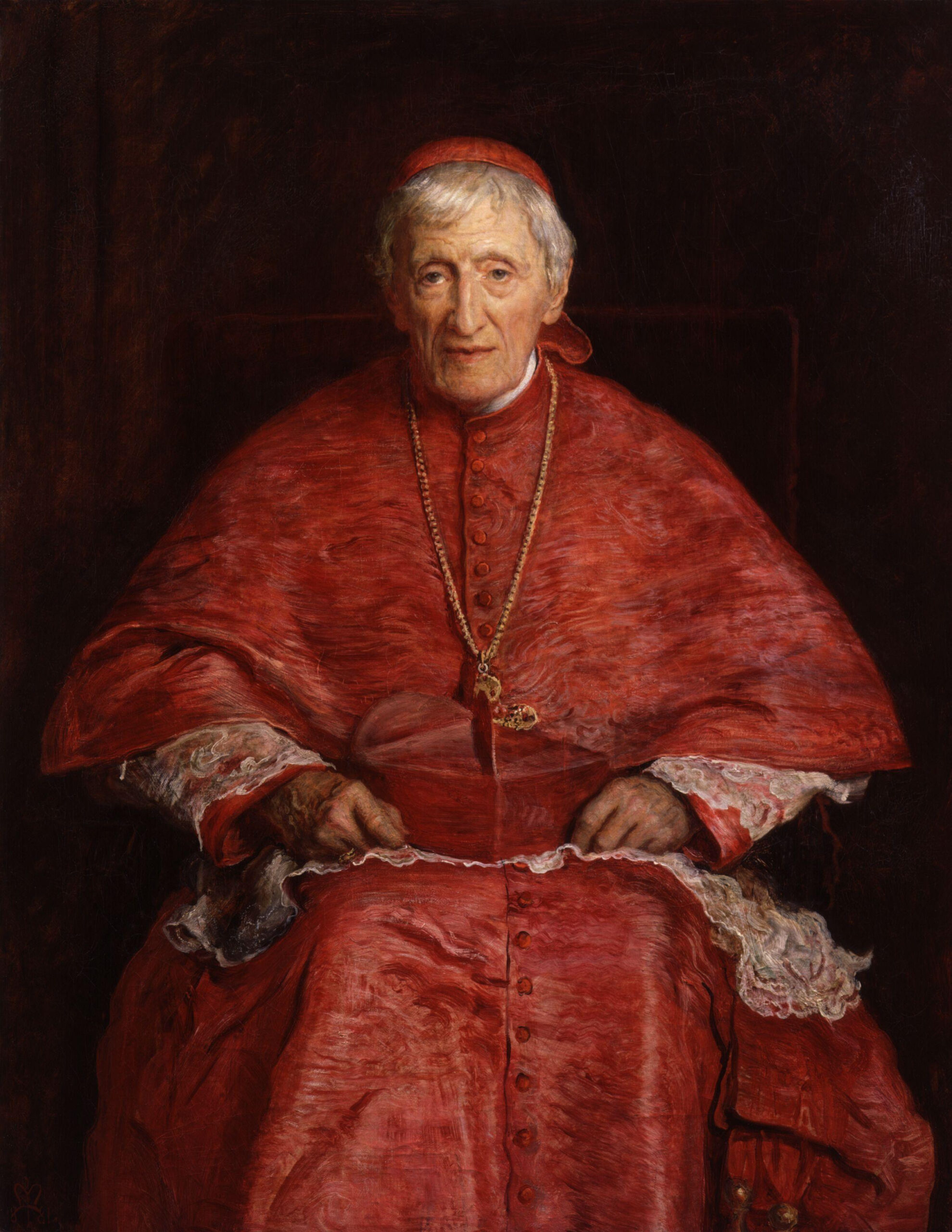
Adapting the Oratory rule and way of life, Saint John Henry brought the customs and traditions of the Oratory to England in the nineteenth century. Having experienced the Oratory in Rome, he saw the potential of this model of priestly and apostolic life for the resurgence of the Catholic faith in England, and petitioned Blessed Pius IX for its establishment. With Newman's amendments, the Holy Father formally erected the Oratory in Birmingham in 1848.

Patron of Frassati Australia, which is closely connected to the Brisbane Oratory, Blessed Pier Giorgio was the son of a wealthy Turin family who died in 1925 at the age of twenty-four. His outwardly ordinary life was filled with passionate devotion to the Eucharist and to Our Lady, and with deep commitment to serving the poor in Turin's neglected neighbourhoods. Frassati Australia seeks to follow his example by helping young men live the Catholic faith in an authentic way.
Saturday vigil 5:00pm at St John Fisher, Tarragindi.
Vespers & Benediction Sunday 5:00pm.
The music programme of the Brisbane Oratory in Formation is dedicated to preserving and promoting the Sacred Music of the Catholic Church. Inspired by Saint Philip Neri, who founded the first Oratory in sixteenth-century Rome to draw souls to God through beauty, we follow the directives of Vatican II in promoting Gregorian chant, sacred polyphony and the organ.
The programme is led by Br Tyson as Prefect of Music representing the Fathers and Brothers, and by Eleanor Adeney as Director of Music, assisted by our professional organist Peter Gasparin.


Directed by Eleanor Adeney and composed of volunteer singers, the parish choir sings the ancient texts of the Latin Mass in Gregorian chant, sacred polyphony, motets and hymns on Sundays and Feast Days.
Our professional Vespers Schola, also directed by Eleanor Adeney, enriches Sunday Vespers with Latin psalmody, ancient hymns and polyphonic music both new and old, in a range of languages and styles. The Schola also occasionally sings High Mass on great feasts.
Traditional hymns including Australian compositions in a traditional style — such as Richard Connolly — sung at the Sunday English Mass.
A men's schola which sings unaccompanied Gregorian chant on First Saturdays in honour of Our Lady.
Composed of young men and women who sing for the Frassati Mass on Monday evenings.
A Children's Choir and Oratory Chorale are in development, with the hope of expanding scholarships in voice and organ in coming years. Workshops in Gregorian chant are also offered to encourage congregational singing.


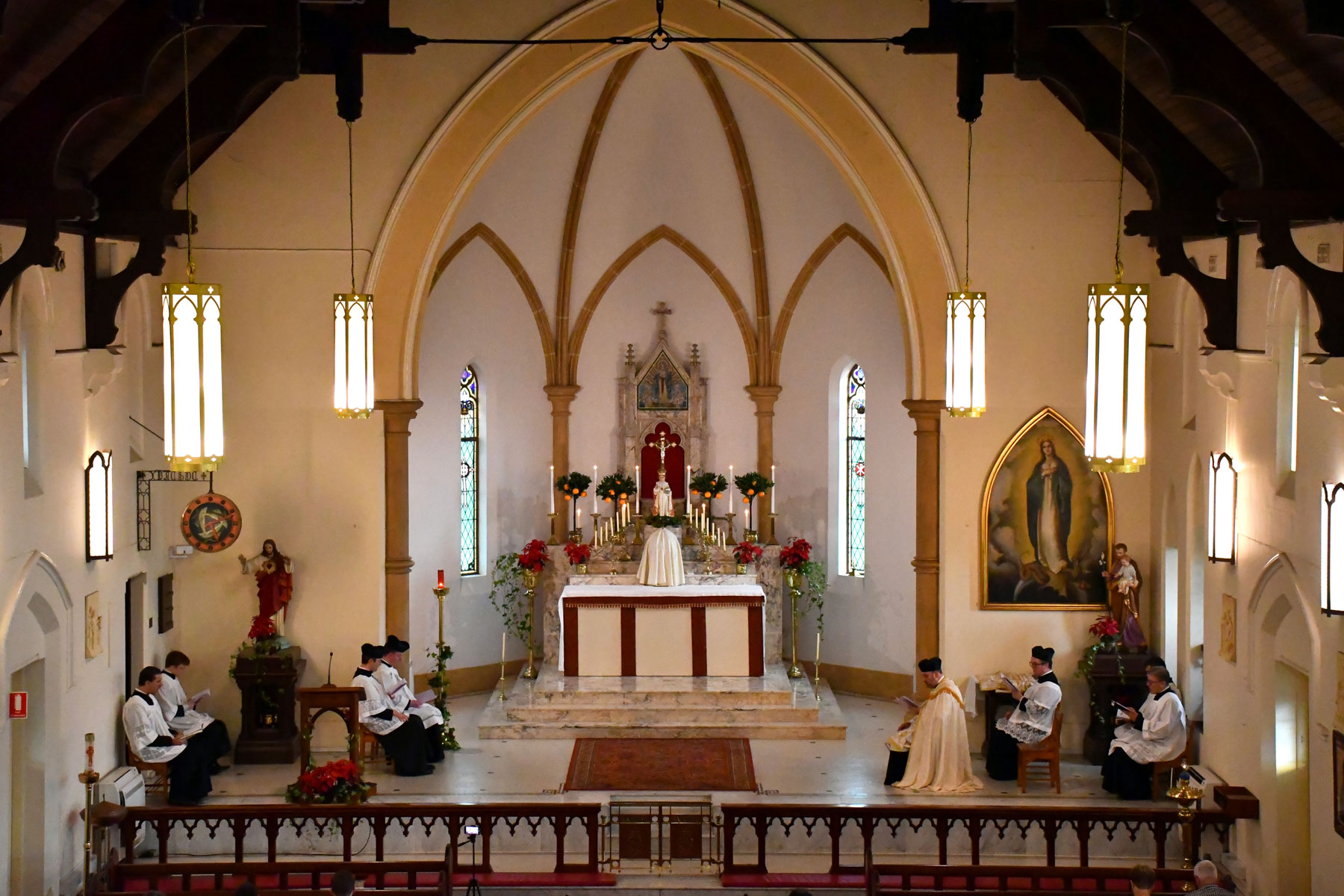
Vespers is the evening prayer of the Church, drawn from the Divine Office — the official prayer book in which the baptised, members of the Body of Christ, pray united for the redemption of the world and in praise of God. From the very beginning of Christianity, Christians have sung the psalms as the model of prayer to God.
The Church has long encouraged the public recitation of Vespers and the participation of the laity. Pius XII wrote that "it is greatly to be desired that the laity participate in reciting or chanting Vespers sung in their own parish on feast days," and the Second Vatican Council taught that "Pastors of souls should see to it that the chief hours, especially Vespers, are celebrated in common in church on Sundays and the more solemn feasts."
Sunday is to be sanctified in a special way — not only by Mass but by other prayer and worship that consecrate the Lord's Day. Vespers, a prayer of thanksgiving for all God has given us, is a fitting way to end Sunday.
Join the Fathers and Brothers each Sunday at 5:00pm at Mary Immaculate, 616 Ipswich Road, Annerley, for sung Vespers and Benediction.

Perpetual Adoration is the continual adoration of the Blessed Sacrament — twenty-four hours a day, seven days a week — usually by way of solemn exposition in the monstrance. In this manner Our Lord is constantly adored and prayer is perpetually offered to God.
A roster of volunteer adorers, each signed up for a specific weekly hour, ensures that someone is always keeping watch before the Lord in the Blessed Sacrament. Visitors are also welcome at any time of day or night, and need only register as a casual adorer to receive the access code.
Perpetual Exposition began in our parish at St Elizabeth's Chapel, Tarragindi in 2020. It is run by a committee of lay volunteers.
Phone: 0492 987 132
Email: adoration.brisbaneoratory@gmail.com
If you are making an ad-hoc hour with Our Lord, please send a quick text or email so the co-ordinators know an adorer is present.
If you share our passion for sacred music and wish to contribute to the programme, music envelopes are available in the church or you may give electronically.
| Account name | Annerley Ekibin Catholic Parish |
| BSB | 064 786 |
| Account | 100018402 |
| Reference | MUSIC/Surname |
If you make a donation, please let us know so you may be added to our benefactors list.
The full schedule of liturgies for Holy Week and the Sacred Triduum, from Palm Sunday to the Easter Vigil.
Read more
An evening of sacred music and meditation, in the tradition of the original Roman Oratory of Saint Philip Neri.
Read more
Join parishioners and friends for a day of golf, fellowship and fundraising in support of the Oratory.
Read moreConfession is offered daily and after each weekday Mass. The Oratory Fathers are also available by appointment for those who would prefer a longer conversation or a regular confessor.

In Baptism we are immersed into Christ's death and made sharers in his resurrection. The sacrament cleanses original sin, makes us children of God and members of the Church, and infuses the soul with sanctifying grace and the seeds of faith, hope and charity.
"Unless a man is born again through water and the Spirit, he cannot enter the kingdom of God." For this reason Baptism should not be unduly delayed.
Parents are obliged to see that their infants are baptised within the first few weeks. As soon as possible after the birth, indeed even before it, they are to approach the parish priest to ask for the sacrament for their child, and to be themselves duly prepared for it.Code of Canon Law, can. 867 §1
Infant Baptisms in our parish ordinarily take place at Mary Immaculate Church on Saturday mornings. Families are expected to be regular at Sunday Mass before enrolling a child.
Canon law provides for one male sponsor or one female sponsor, or one of each. A godparent must be a Catholic of at least sixteen years of age, who has been confirmed and lives a life of faith befitting the role.
Parents complete a short online course on the meaning and purpose of Baptism, followed by an in-person meeting. You are most welcome to make contact with the parish before the birth of your child.
Contact the Parish Office on 3848 1107 to begin arrangements.


When baptised children reach the age of reason — around seven years — they become eligible to receive the sacraments of Confession, Confirmation and First Holy Communion, fully incorporating them into the Church and equipping them to live the life of faith.
Each child differs, and discernment of readiness by parents and the parish is more important than age alone.
In our Archdiocese, following the ancient and rightly restored tradition of the Church, children receive Confession first, then Confirmation, and finally First Holy Communion. Many adults remember receiving Communion before Confirmation; that practice arose only after Saint Pius X lowered the age of First Communion without adjusting Confirmation. With Confirmation now also aligned to the age of reason, the original order has been restored — Confirmation properly strengthens the soul in preparation for the Eucharist.
Confirmation is sometimes mistakenly seen as the child's "choice" of the faith — a coming-of-age symbol. It is in fact God's action: a sacramental grace by which the Holy Spirit strengthens the will, fortifies faith, and equips the recipient to defend and profess the Gospel. In a society that pulls children in many directions, withholding these graces unnecessarily is to deny them the spiritual armour they need.
Catholic parents are the first instructors in the faith — through the witness of a regular sacramental life, prayer in the home and Sunday Mass. The Parish Sacramental Programme aids parents by helping their children understand the sacraments with proper devotion. Yearly classes are advertised in the weekly bulletin.
Parish Office · 3848 1107
| Mon to Fri | after the 9:00am Mass |
| Monday | from 6:45pm |
| Wed & Fri | 7:30pm to 8:30pm |
| Saturday | 7:30am to 8:15am |
| Sunday | during the 10:00am Mass |
| Public Holidays | 9:45am only |
We all fall short of the glory of God after Baptism. Christ instituted the sacrament of Confession so that his ministers could forgive sins in his name — a ministry of reconciliation handed on from the Apostles and preserved continuously in the Church.
Venial sins may be forgiven by many means, but mortal sins can be absolved only in sacramental Confession. For a sin to be mortal three conditions must all be present: grave matter, full knowledge, and full consent. Confession reconciles us to God, restores sanctifying grace, and gives us strength to avoid sin in the future.
The Church encourages regular devotional Confession, with monthly being a good rhythm. If you are conscious of a mortal sin, make an Act of Perfect Contrition and get to Confession as soon as you can.
1. Prepare. Examine your conscience — printed examinations are available in the church. Pray to the Holy Spirit to enlighten your memory. If it has been a long time, write your sins down to bring with you. Mortal sins must be confessed by kind and number. Be truly sorry for your sins (contrition) and resolve to avoid them in future.
2. Go to Confession. Kneel behind the screen and begin with the Sign of the Cross:
"In the name of the Father, and of the Son, and of the Holy Spirit. Amen. Bless me, Father, for I have sinned. It has been [time] since my last confession. These are my sins…"
Tell the priest your sins, indicating number or frequency for mortal sins. Conclude: "For these and all my sins, I am truly sorry." Listen to his counsel and your penance, pray an Act of Contrition (a card is in the confessional), receive absolution, and respond "Thanks be to God" to the dismissal.
3. Complete your penance as soon as possible.
You may also confess venial sins or grave sins from past life that have already been absolved. Letting the priest know — "the sin of my past life of x" — helps. Sorrow for past sins draws greater grace.
The Oratory Fathers are also available by appointment through the Parish Office.

The Catholic sacrament of Marriage is a lifelong union of one man and one woman, indissoluble in its bond. Its two ends are the union of husband and wife in love, fidelity and mutual support, and the procreation and Catholic upbringing of children. The sacrament confers the special graces necessary to fulfil these promises throughout married life.
Because marriage is so important a step, spiritual preparation is required and is arranged through the parish. Couples are asked to make contact at least six months before the proposed date.
Ring the Parish Office on 3848 1107. You will be put in touch with the Duty Priest, one of the Oratory Fathers, who will arrange marriage preparation and a date with you. If you have a particular Father in mind to celebrate the wedding, you may speak to him directly.
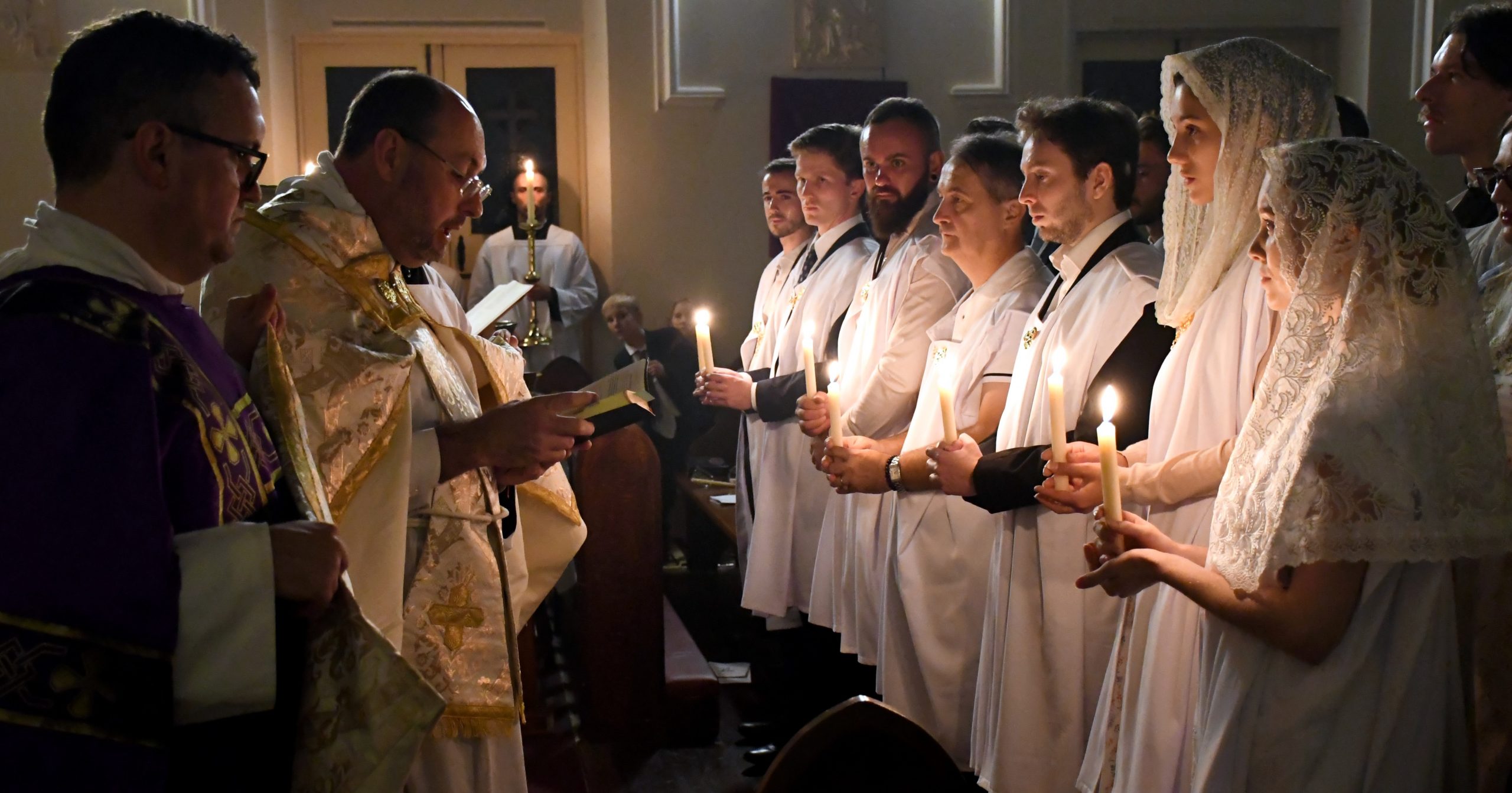
The Catholic Enquiry Group is for non-Catholics who would like to become Catholic, or who are still uncertain but want to learn more. This is also our equivalent of RCIA — the Rite of Christian Initiation of Adults. Catholics returning to the practice of the faith, or adults who have not yet been confirmed, are equally welcome.
Br Tyson and the formation team present a series of talks and points for discussion as we systematically explore the faith. Topics fall under four headings:
Various Tuesday evenings at 7:00pm in the Parish Meeting Room beneath Mary Immaculate Church.
Call Br Tyson at Oratory House, or contact the Parish Office on 3848 1107.
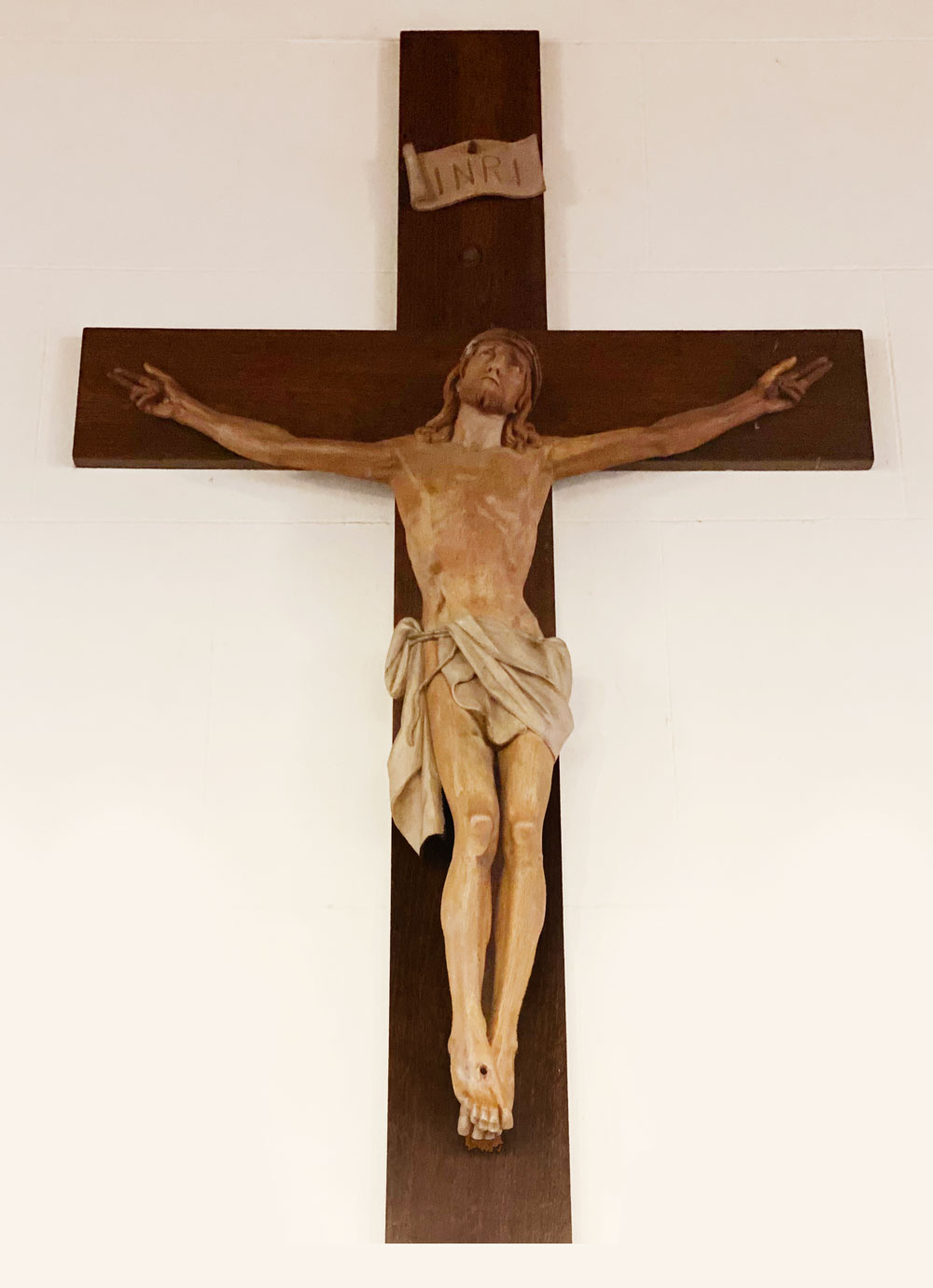
When we are in need of healing and strength, Christ comes to our aid in the sacraments. If you or someone you know cannot attend church, whether for a season or for an extended period, you can still receive the Anointing of the Sick, Confession or Holy Communion at home or in hospital. Contact the parish and one of the Fathers will be glad to visit.
Before going into hospital, you may wish to be anointed beforehand. Upon admission, inform the staff that you are a Roman Catholic and would welcome a visit from the Catholic chaplain. The chaplain can arrange regular reception of the sacraments for longer stays. Let the parish know if you would also like a visit from one of the Fathers.
If someone is in danger of death, it is crucial they receive the Last Rites of the Church. In hospital, request the Roman Catholic chaplain. In other situations, ring the Fathers immediately on 3392 9247.


Annerley Ekibin Parish is under the care of the Brisbane Oratory in Formation in the Archdiocese of Brisbane. The parish has two churches — Mary Immaculate at Annerley and St John Fisher at Tarragindi — and the care of St Elizabeth's Chapel at Ekibin.
With the growth of Annerley in the early 1900s, increasing numbers of Catholics were forced to walk in excess of five kilometres to St Joseph's Church at Kangaroo Point for Sunday Mass. A group of parishioners approached Archbishop James Duhig in 1912 with a proposal for a building that would serve as both church and school; the land was purchased for £814 in October that year. The original timber structure, holding 300 people, was opened by Archbishop Duhig on Sunday 14 June 1914 with Father James Gallagher as first parish priest.
Only ten years later Archbishop Duhig announced a new church would be built — the present structure, raised in memory of Father Gallagher, who had died of a heart attack while doing maintenance on the church fence. The foundation stone was laid in the depths of the Great Depression on 11 October 1931, and the completed church was blessed during a High Mass on Sunday 1 May 1932.
The completion of this church is a triumph not only for religion but for our architectural art. For many years to come this sacred edifice will stand as a monument to the faith and perseverance of the people.Archbishop James Duhig, 1932
The building is French Gothic in style, designed for the Brisbane summer climate so the side walls open out, and seats six hundred. Steel beams used in the Sydney Harbour Bridge support its floor; an octagonal bell tower with copper spire and a great rose window dominate the western front. Above the door is the inscription Hic Est Domus Dei — "This is the House of God."
St John Fisher Chapel was built in 1960 on parish land at Tarragindi (then Holland Park West) and originally opened as a temporary church named St Pius X — renamed shortly after to avoid confusion with the new St Pius X parish at Salisbury. The intended primary school and permanent church were never completed. In 2025 an agreement was reached between the parish and St John Henry Newman College to use the site as a Catholic Liberal Arts primary campus.
The first Mass at Ekibin was offered in 1947 in a converted weatherboard cottage on the present chapel site, where Fr John Torpie lived with his mother for want of a presbytery. Fr Basil Bergin, appointed in 1951, set to work building the church and school simultaneously, with parishioners spending their Saturdays on the project. Archbishop Duhig blessed the church in 1955 and the school in 1958. In 2005 the church was converted to its present form as a chapel; in 2020 perpetual adoration commenced.
The Ipswich Road Parish (as Mary Immaculate was originally known) was combined with Ekibin Parish by Archbishop John Bathersby on 30 November 2003. The Brisbane Oratory in Formation has had care of the parish since 2014. Among the many vocations to come from the parish are over sixteen priests, two religious brothers and more than twenty-five religious women.


Welcome to Annerley Ekibin Parish under the care and direction of the Brisbane Oratory in Formation. We are always glad to meet visitors and welcome newcomers into the parish family.
The parish is under the direction of a community of priests and lay-brothers who live together in fraternal charity, seeking to serve the laity in a spirit of joy. As an Oratory in Formation we are working towards canonical erection as an Oratory of Saint Philip Neri of Pontifical Right. Oratorians remain in the same place and parish for life — we are blessed to know our parishioners from the day they are born and to remain with them throughout their lives.
If you are a new parishioner or visitor, do say hello to one of the Fathers or Brothers after Mass and meet our other parishioners. If you are becoming a parishioner, please complete a Parish Census form — available inside the church or by contacting the Parish Office.
There are many ways to take part in parish life — see the Lay Groups accordion below for the full list of groups, prayer apostolates and parish ministries.
There are many ways for the laity to be involved in our Oratory community at Annerley Ekibin Parish — through faith and prayer formation, and through the opportunity to participate in good works.
Open to all, exploring topics such as the Old Testament foundations of Mary, books of Scripture, and Church Councils. Twice a month on Friday mornings at 10:00am, repeated on the First Saturday of the month at 9:30am. Held in the Parish Meeting Room beneath Mary Immaculate. Topics and dates are published in the weekly bulletin.
An association of young Catholic men who help each other to live the faith authentically and to discern their vocation. Inspired by Blessed Pier Giorgio Frassati and under the spiritual leadership of the Brisbane Oratory, the men live in households together and meet for prayer, formation and meals. Part of their apostolate is to assist the parish, particularly by serving Mass.
For men and women, under the direction of the Brisbane Oratory and the Frassati Fraternity. Mondays beginning with Mass at 7:00pm, followed by talks, social evenings or the once-a-month steak night at the Junction Hotel.
For young single and married women aged eighteen and over, who help one another grow in virtue and embrace the gift of spiritual motherhood. Regular meetings, retreat days and other activities throughout the year.
Mothers, grandmothers and ladies who wish to pray for their children, grandchildren, nephews, nieces and godchildren are warmly invited. Wednesdays during school terms at 10:00am in the meeting room beneath Mary Immaculate.
Friday fortnightly during school term, 4:00pm to 4:45pm, in the parish meeting room. Hands-on catechetical activities based on the liturgical year, core Catholic truths, prayers and hymns. Contact the Parish Office to enrol.
For adults who wish to enquire about, or prepare to be received into, the Catholic Church — also for those returning to the practice of the faith. This is our equivalent of RCIA. See the Sacraments accordion above.
The lay Catholic organisation that aspires to live the Gospel by serving Christ in the poor. Two active conferences — Mary Immaculate and St Elizabeth's — meet regularly and welcome new members. Contact the Parish Office.
Open to men and women who would like to assist with the care of items used in the sacred liturgy — flower arranging, sacred linens, metalwork, embroidery. Contact Br Tyson if you have skills you can offer.
The generous people who keep the church running smoothly — cleaners, porters, greeters, collectors, cuppa organisers and many others. If you can help in any of these ways, please contact the parish.

Due to unforeseen circumstances, hall bookings are not currently being taken.
Mary Immaculate Parish Hall is located at 616 Ipswich Road, Annerley. The hall is available for hire by individuals or groups for functions such as birthday parties, conferences, dances, wedding receptions and funeral receptions. Functions must not fall outside the Catholic ethos and the hall is not available for religious rites. All functions must finish by midnight.
Complete the Hire Application Form. A character reference is required for first-time hirers (parish priest, parishioner, school principal, JP or employer). Send the completed form to hallannerley@bne.catholic.net.au. The hall is opened every fortnight for viewing — email to confirm the next viewing date.
For further enquiries contact the Parish Office during office hours (Mon, Wed, Fri, 9:00am to 1:00pm) on 3848 1107.
The Archdiocese of Brisbane holds that children, young people and vulnerable adults are a gift from God with an intrinsic right to dignity of life, respect and security from physical and emotional harm. They are to be treasured, nurtured and safeguarded.
The parish, in line with the Archdiocese's Safeguarding Policy, has zero tolerance for all forms of abuse and is committed to safeguarding all who interact with the parish through its activities, ministries and services — especially children and adults at risk.
The compliance officer for Safeguarding Children and Vulnerable Adults at Annerley Ekibin Parish is Marie Melski. Contact via the Parish Office (annek@bne.catholic.net.au) or the Archdiocese directly.
All voluntary church workers having direct and regular involvement with children, young people or vulnerable adults must hold a current Blue Card. Card holders must apply to renew before expiry; without a current card, work or volunteering must cease.
There are two ways of supporting our work. Donations to the Brisbane Oratory in Formation directly support the Fathers and Brothers of the Oratory. Donations to Annerley Ekibin Parish support the works of the parish and its evangelising mission.
Mass is offered each week by one of the Fathers for all benefactors of the Brisbane Oratory in Formation, living and deceased.
Thank you for your generous support.
The Fathers and Brothers of the Brisbane Oratory
and Annerley Ekibin Parish
Please include your surname as reference.
Regular giving by credit card to the Oratory can be arranged through the Oratory Credit Card form, available from the parish.
One-off donations may be made to the Brisbane Oratory in Formation by credit or debit card through Paymate.
The Paymate acknowledgement message will thank you for your "purchase" — we are unable to change this default text but are most grateful for your kind donation. For larger donations, Paymate may sometimes ask the cardholder to verify themselves; please email us if you experience any difficulty.
Planned Giving envelopes can be ordered from the parish. Each envelope contains one section for the parish and one for the Brisbane Oratory in Formation. Envelopes are required if you wish to give to the Oratory through the Sunday collection.
Complete the Planned Giving pledge form, available from the parish, to begin.
You may wish to remember the Brisbane Oratory in Formation and Annerley Ekibin Parish in your will, providing for the future of the Oratory and the parish. Please contact the Moderator (moderator.brisbaneoratory@gmail.com) for guidance.
Cheques and money orders for the Brisbane Oratory in Formation may be sent to:
The Moderator
16 Ferndale Street
Annerley QLD 4103
You may also like to make a regular or one-off gift, or a bequest, to the Brisbane Oratory in Formation or Annerley Ekibin Parish Perpetual Endowment Funds. Gifts given to these funds are never spent — the funds provide yearly dividends for the works of the Oratory and parish.
Perpetual gifts can be made online through the Catholic Foundation. Be sure to select Brisbane Oratory in Formation or Annerley Ekibin Parish in the designation box.
If you would like to become a regular benefactor of the Brisbane Oratory in Formation, please email the Moderator, Fr Adrian Sharp, at moderator.brisbaneoratory@gmail.com.
Mass is offered each week by one of the Fathers for all benefactors of the Brisbane Oratory in Formation, living and deceased.
For the Anointing of the Sick or pastoral care outside office hours, please ring the parish number and follow the prompts.
News from the Oratory and the parish, sacred music, formation reflections, and what's coming up. Sent four times a year.